Key Takeaways
- Choosing the right Pipe Lifting Belt depends on accurate pipe dimensions and lifting arrangements.
- A well-designed pipe handling belt simplifies repeated lifting tasks during installation and maintenance.
- Verify the condition and setup of lifting equipment to ensure safety and effectiveness on site.
- Consider customized configurations for the pipe lifting belt to match specific project requirements.
- Understand the unique uses and benefits of a Pipe Lifting Belt for effective pipe handling.
Moving a heavy pipe into position calls for more than lifting power. Contractors must consider how the pipe is supported, held and positioned throughout the operation.
At SPM Equipment, we supply the Pipe Lifting Belt for pipe installation, maintenance and related oil and gas pipeline work. Our focus is on helping buyers match lifting equipment to actual pipe dimensions and site requirements.
Where Our Lifting Belt Fits into Pipeline Work
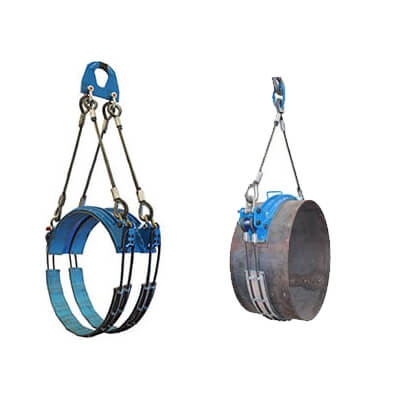
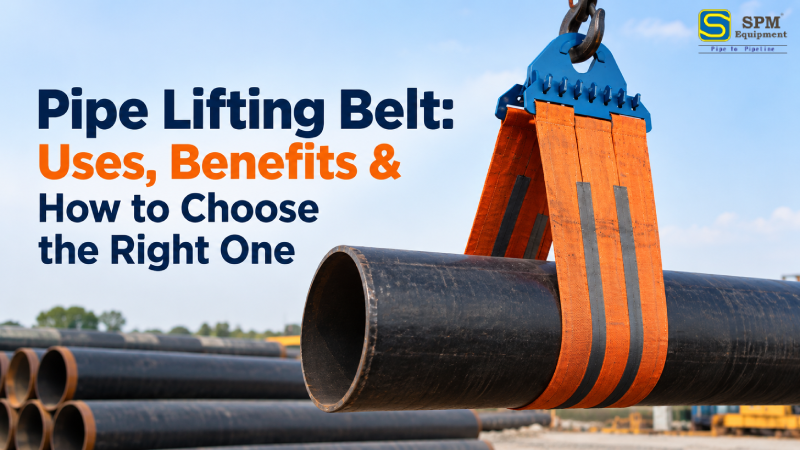
A lifting arrangement is useful when a pipe section needs to be raised, repositioned or brought into place during installation. Our belt is presented for these operations as well as pipeline maintenance, where controlled movement matters just as much as the final position. We offer it as part of our pipe lifting and lowering equipment range for pipeline contractors.
The pipeline lifting equipment you select should suit the entire handling operation, not only the moment when the pipe leaves its support. Review the lifting points, movement path and pipe surface. Those details help our team understand the application before discussing a suitable belt.
Practical Benefits During Pipe Handling
Our product description highlights a design intended for secure pipe handling, with dedicated lifting points and straightforward setup. For buyers, the practical advantage is better planning around pipe support and positioning instead of depending on an improvised arrangement at site. The belt is intended to work with different pipe sizes, subject to the selected configuration.
A suitable pipe handling belt can also simplify repeated lifting tasks during installation and maintenance. An approved lifting plan, trained personnel and inspection remain necessary. Our team treats those checks as part of the buyer's equipment selection discussion, particularly when the work involves heavy oil and gas pipeline sections.
How to Choose the Right Size and Configuration
There is no single belt specification that suits every pipeline. Our product information states that size and diameter depend on the customized pipe size, with the LB model identified in the specifications. Before placing an enquiry, buyers should confirm the pipe outside diameter, weight, lifting arrangement and available handling space.
Use these checks to prepare a meaningful requirement for our team:
- Confirm pipe size, wall thickness and the estimated weight of the section.
- Identify the planned lifting method and attachment arrangement.
- Request the rated capacity and configuration for the proposed belt.
- Clarify any coating protection or contact-surface requirements.
We can then discuss pipe installation lifting needs against the configuration offered, rather than suggesting that every belt can handle every pipe.
Why Condition and Setup Matter at Site
A good selection can still be unsuitable if the equipment is worn or connected incorrectly. Before a lift, site personnel should examine the belt, attachment points and identification details, then follow the applicable lift plan and equipment instructions. Do not rely on colour or appearance as evidence of load capacity.
Our product page describes strong construction and specialized lifting points, but it does not publish a numerical rated lifting capacity. For that reason, we recommend confirming the rating for the exact belt supplied and checking its compatibility with the planned lifting method. A Pipe Lifting Belt should be chosen from verified application details, never an assumed capacity.
What to Share When Requesting Our Belt
We manufacture and supply oil and gas pipeline equipment from Ahmedabad, India, and our lifting-belt page identifies model LB and customization by pipe size. We also list export packaging separately from domestic packing. These are useful points for purchasers coordinating supply for projects beyond their own workshop or yard.
When you contact our team, share the pipe dimensions, lifting arrangement and project location. If a coating, lifting geometry or operating constraint affects the job, explain it early. Clear inputs allow us to discuss the belt configuration and any specifications that still need written confirmation before procurement.
Why Choose SPM Equipment
We have supplied oil and gas pipeline equipment since 2016, with lifting and lowering products included in our wider range. Our Ahmedabad-based team works with pipe-size-specific requirements and can discuss an LB-model belt in the context of your planned operation. We prefer a clear technical enquiry over assumptions about ratings or suitability.
Conclusion
Choosing the right Pipe Lifting Belt begins with understanding the pipe, the load and the proposed lifting arrangement. Our product supports lifting and positioning work associated with oil and gas pipelines, but the final selection must match verified equipment details. Share the relevant dimensions and site conditions, confirm the supplied rating and review the lift plan before work starts. A careful buying decision supports smoother preparation and fewer avoidable questions on site.
Discuss your pipe dimensions and lifting needs with SPM Equipment. Call +91 957 477 0022 or email spmequipment@gmail.com to request product details and a quotation for your project.
Frequently Asked Questions
A Pipe Lifting Belt is primarily used for raising, repositioning, or installing heavy pipelines. It ensures controlled movement during operations, making it a crucial tool for maintenance and installation in the oil and gas industry.
Choosing the right Pipe Lifting Belt involves confirming the pipe's dimensions, weight, and the desired lifting arrangement. It's essential to discuss these details with the supplier to ensure compatibility with the specific lifting requirements of your project.
The benefits of using a pipe handling belt include improved planning for pipe support, easier handling of various pipe sizes, and enhanced safety during lifting operations. These belts contribute to smoother installation and maintenance processes.
Before using a Pipe Lifting Belt, check for wear and tear, ensure correct attachment points, and verify compatibility with the planned lifting method. It's crucial to follow the lift plan and manufacturer's instructions to avoid accidents.
Yes, a Pipe Lifting Belt can be configured to handle different pipe sizes based on its design. However, it's important to confirm the specific diameter and weight of the pipe to select the appropriate belt configuration.